


ASIA ELECTRONICS INDUSTRYYOUR WINDOW TO SMART MANUFACTURING
Imec’s New NanoIC Line to Boost Sub-2nm SoC
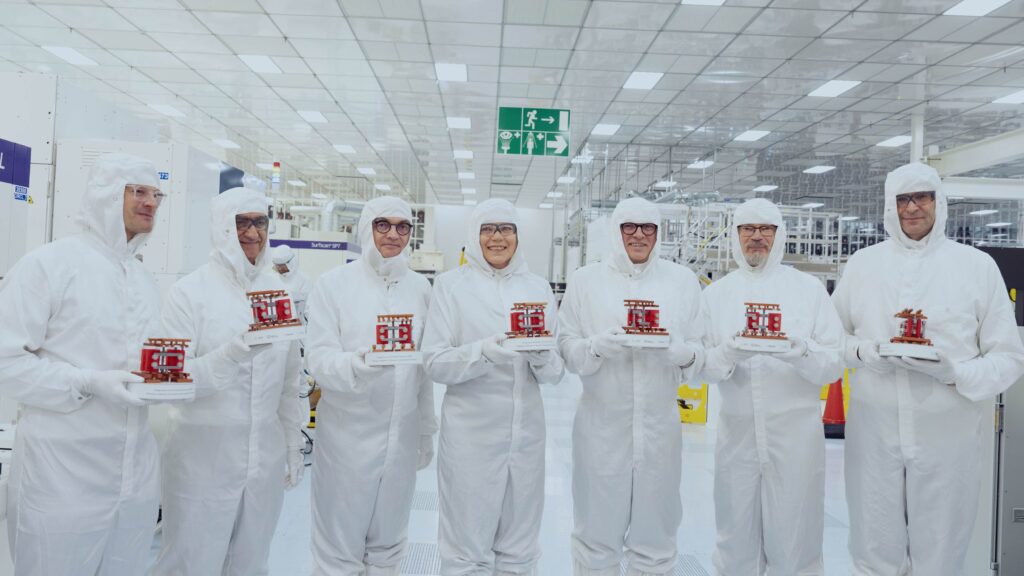
Belgian-based advanced chip technologies R&D center imec has inaugurated its 2,000sq.m cleanroom expansion at its Leuven headquarters. Accordingly, the new facility is a pivotal step in deploying Europe’s NanoIC pilot line.
With a capacity of over 12,000sq.m, imec’s cleanroom will help Europe at the forefront of next-generation semiconductor innovation and manufacturing. Thus, will play a key role in reinforcing the region’s industrial fabric in the AI era while safeguarding sustained economic growth, security, and prosperity for decades to come.
Imec announced in May 2024 that it would be hosting a NanoIC pilot line and will house a best-in-class toolset, including ASML’s next-generation High NA EUV scanner that will arrive in the middle of next month.
Chip Technology Beyond 2nm
The NanoIC pilot line will play a crucial role in strengthening Europe’s industrial fabric in the AI era. Specifically, it has the strong backing from the European, Belgian, and Flemish governments, along with a robust network of industry partners.
Moreover, imec will soon start the construction of the next 4,000sq.m cleanroom at its Leuven campus, another key asset of Europe’s NanoIC initiative.
Luc Van den hove, CEO of imec said, “Imec researchers are working here side by side with IDMs, foundries, equipment and materials suppliers, system companies, start-ups, universities, and fellow European RTOs. Together, we have embarked on an ambitious journey to push semiconductor technologies beyond the 2nm node.”
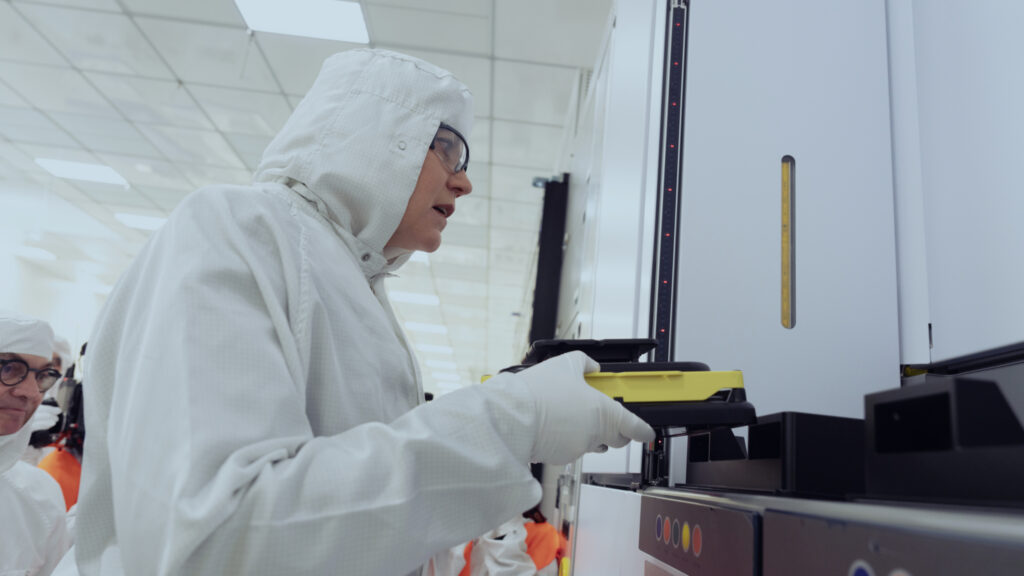
Over the next five years, the NanoIC pilot line will integrate more than a hundred new tools, distributed across imec and partner sites at CEA-Leti (France), Fraunhofer (Germany), VTT (Finland), CSSNT-UPB (Romania), and Tyndall National Institute (Ireland).
Imec is a world-leading research and innovation hub in advanced semiconductor technologies. Leveraging its state-of-the-art R&D infrastructure and the expertise of over 6,500 employees, imec drives innovation in semiconductor and system scaling, artificial intelligence, silicon photonics, connectivity, and sensing.
10 February 2026
- Share: