ASIA ELECTRONICS INDUSTRYYOUR WINDOW TO SMART MANUFACTURING
Siemens Broadens Chip Verification Stack With New Deals
German conglomerate Siemens is expanding its semiconductor electronic design automation (EDA) portfolio through planned acquisitions of German embedded development tools company Lauterbach and and American electronic design automation (EDA) Breker Verification Systems.
Accordingly, the moves collectively strengthen its position across chip verification, embedded software debugging, and system-on-chip (SoC) development.
The Strategic Takeaway: As AI-driven semiconductor designs grow more complex, Siemens is expanding beyond traditional EDA tools to address two of the industry’s biggest bottlenecks: verification productivity and hardware-software integration.
Announced within days of each other, the transactions reflect a broader strategy to address growing semiconductor design complexity as artificial intelligence, software-defined systems, and heterogeneous architectures place increasing pressure on engineering teams to validate hardware and software earlier in the development cycle.
The planned acquisition of Lauterbach adds embedded software debug and trace capabilities, while the acquisition of Breker Verification Systems expands Siemens’ portfolio in SoC-level verification and automated test generation. Together, the technologies aim to bridge historically separate hardware and software workflows.
Addressing Growing Verification Challenges
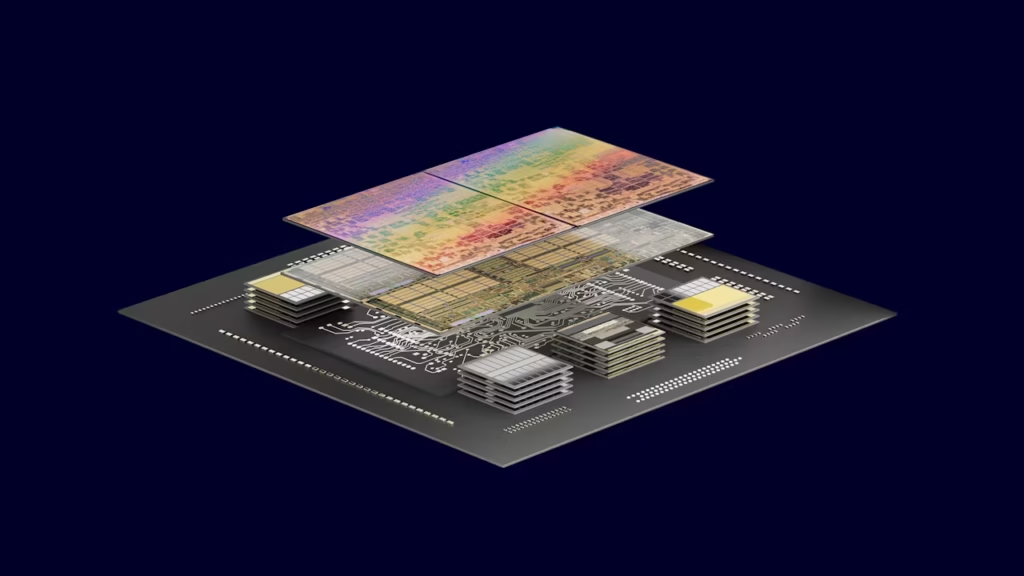
Verification has become a major challenge for semiconductor developers as AI workloads, chiplets, multi-core architectures, and rising software content increase design complexity.
Breker’s technology focuses on automating verification scenarios across processors, memory subsystems, software workloads, interconnects, and IP blocks. Siemens said the acquisition will strengthen its verification offerings for AI, high-performance computing, Arm, and RISC-V-based architectures.
“Artificial intelligence is driving a new era of semiconductor innovation and complexity,” said Abhi Kolpekwar, senior vice president and general manager of Digital Verification Technologies, Software, Siemens. “As system-on-chip architectures become larger, more software-driven and increasingly heterogeneous, verification productivity has become critical to customer success.”
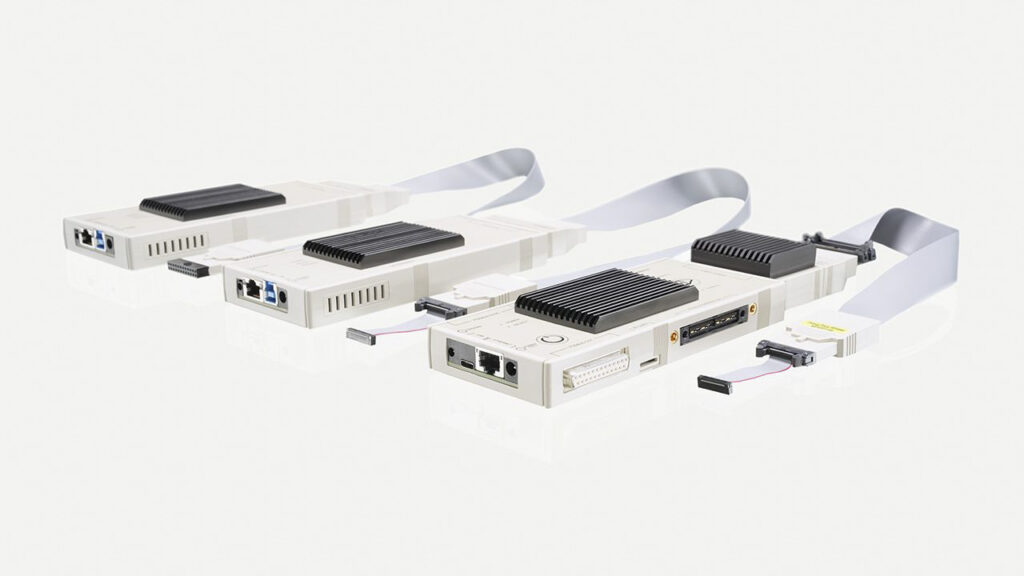
Lauterbach, meanwhile, brings hardware-assisted debugging and real-time trace technologies that provide visibility into embedded software execution and hardware-software interactions during chip development.
Moving Toward Hardware-Software Convergence
The strategic significance of the two acquisitions lies in the growing convergence of semiconductor design and software development.
“With Lauterbach, we are further extending our industry-leading EDA portfolio for semiconductor design by bringing together our premier hardware-assisted verification portfolio with its industry-leading software debugging technologies,” said Cedrik Neike, member of the Managing Board of Siemens AG and president of Digital Industries.
Siemens said the combined capabilities are intended to help customers identify hardware and software issues earlier in development, before physical silicon becomes available. The company expects the resulting workflows to improve engineering productivity and reduce time-to-market.
“The increasing convergence of hardware and software development is fundamentally changing the industry and our customers’ requirements,” added Stephan Lauterbach, CTO and co-founder of Lauterbach.
The transactions, expected to close subject to customary conditions and approvals, represent another step in Siemens’ effort to broaden its semiconductor development platform as verification and software integration increasingly shape the pace of innovation across the chip industry.
18 November 2026
- Share: