



ASIA ELECTRONICS INDUSTRYYOUR WINDOW TO SMART MANUFACTURING
AMD Eyes Yotta-Scale Compute to Enable AI Everywhere
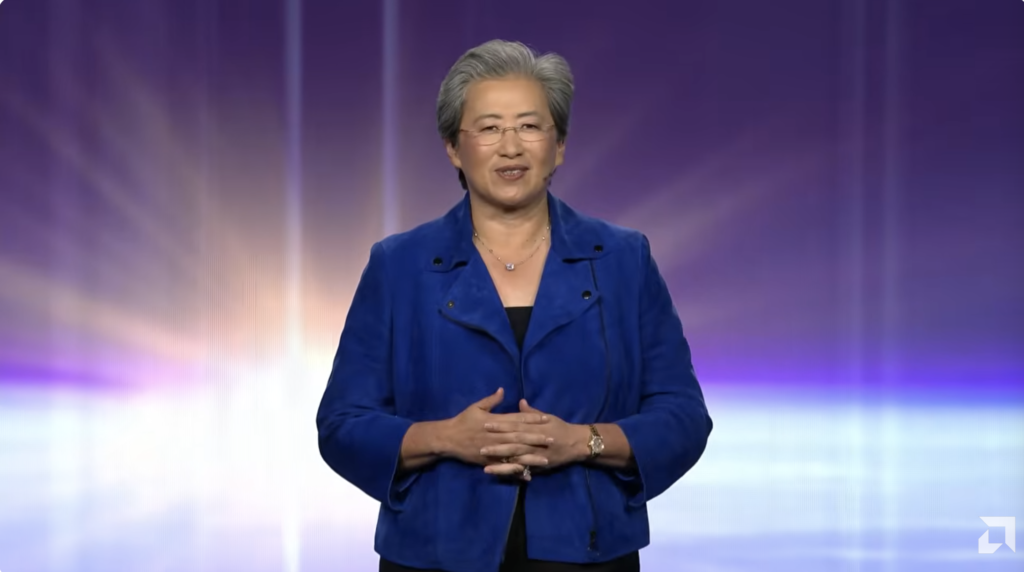
At the opening keynote of CES 2026, AMD Chairman and CEO Dr. Lisa Su took CES 2026 keynote stage Monday night in Las Vegas, United States (Tuesday morning Japan time) and gave the company’s blueprint to enable AI Everywhere. Specifically, AMD plans on providing infrastructure that will focus on Yotta-scale computing to meet the demands of people using AI, which is projected to grow to 5 billion in the next five years.
“The foundation of AI is compute. With all that user growth, we have seen a huge surge in demand in the global compute infrastructure, growing from about one Zeta flop in 2022 to more than 100 Zeta flops in 2025. That’s actually 100 times in just a few years,” said Su in her two-hour, jampacked keynoted held in Venetian’s Palazzo ballroom.
“(But) to enable AI everywhere, we need to increase the world’s compute capacity to another 100 times over the next few years to more than 10 Yotta flops over the next five years…There’s just never, ever been anything like this in the history of computing, and that’s really because there’s never been a technology like AI,” Su added.
Yotta-Scale Infrastructure
To keep up with the compute demand, Su said the entire ecosystem needs to come together in order to put AI infrastructure at Yotta-scale performance.
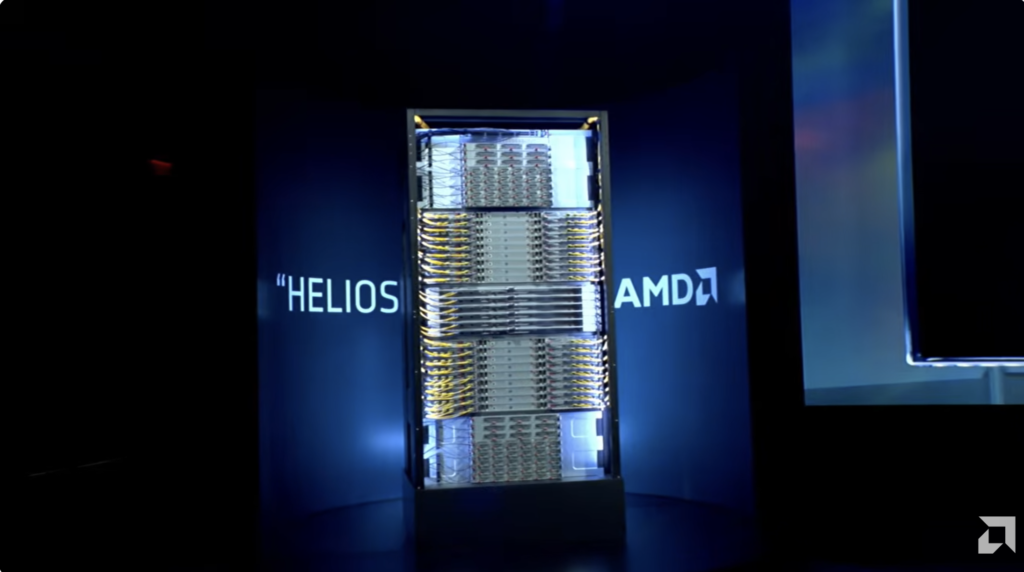
As a start, the company has built its Helios rack-scale platform, which can deliver up to 3 AI exaflops per rack. It’s designed to deliver maximum bandwidth and energy efficiency for trillion-parameter training.
The Helios platform is powered by AMD Instinct MI455X accelerators, AMD EPYC Venice CPUs, and AMD Pensando Vulcano NICs for scale-out networking, all unified through the open AMD ROCm™ software ecosystem.
The MI455x GPUs is a massive leap in AI performance, having 10 times more than its MI355X AMD Instinct predecessor.
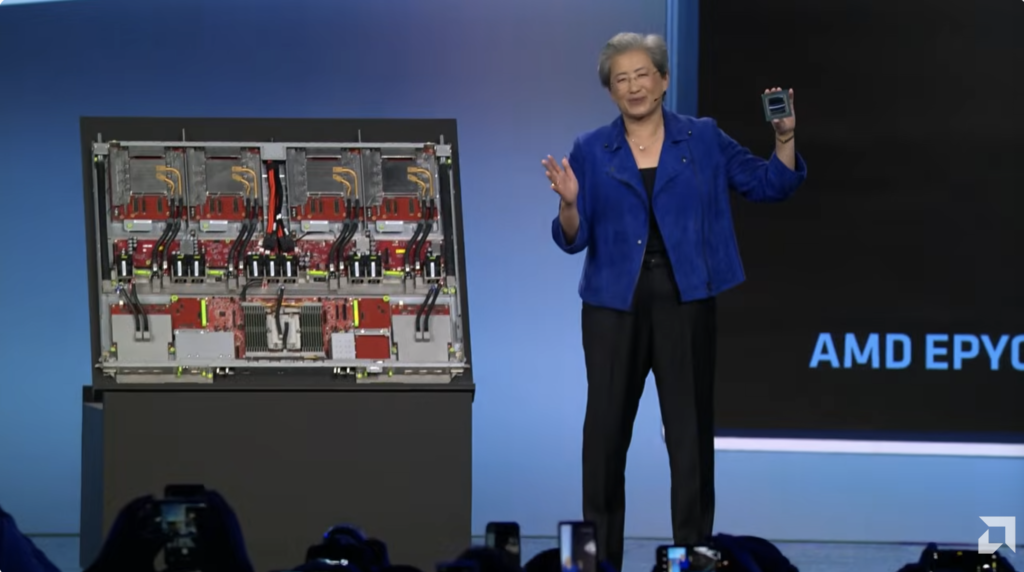
Su also provided an early look at “Helios” and, for the first time unveiled the full AMD Instinct MI400 Series accelerator product portfolio while previewing the next-generation MI500 Series GPUs. Planned for launch in 2027, the AMD Instinct MI500 GPUs is on track to deliver up to 1,000 times increase in AI performance compared to the AMD Instinct MI300X GPUs introduced in 2023. Built on next-generation AMD CDNA™ 6 architecture, advanced 2nm process technology and cutting-edge HBM4E memory, MI500 GPUs will deliver leadership at every level.
Enabling AI PC Everywhere
Su also introduced at her CES 2026 keynote address solutions that focused on AI performance directly to personal and consumer devices.
Su introduced the next-generation AMD Ryzen AI 400 Series and Ryzen AI PRO 400 Series platforms, which will deliver a 60 TOPS NPU (neural processing unkt), cutting-edge efficiency and full AMD ROCm platform support for seamless cloud-to-client AI scaling.
AMD also expanded its on-device AI compute offerings with Ryzen AI Max+ 392 and Ryzen AI Max+ 388 which support models of up to 128-billion-parameters with 128GB unified memory. These platforms enable advanced local inference, content creation workflows and incredible gaming experiences in premium thin-and-light notebooks and small form factor (SFF) desktops. For developers, the Ryzen AI Halo Developer Platform brings powerful AI development capabilities to a compact SFF desktop PC.
AMD also introduced the Ryzen AI Embedded processors, a new portfolio of embedded x86 processors designed to power AI-driven applications at the edge. The new P100 and X100 Series processors deliver high performance, efficient AI compute for the most constrained embedded systems. The portfolio suits applications in automotive digital cockpits, smart healthcare, physical AI for autonomous systems, such as humanoid robotics.
06 January 2026
- Share: