


ASIA ELECTRONICS INDUSTRYYOUR WINDOW TO SMART MANUFACTURING
India Targets to Grow from Chip Equipment Boom
India is set to strengthen its position in the global semiconductor value chain as worldwide spending on chipmaking equipment reaches unprecedented levels, driven by artificial intelligence (AI) and advanced technology demand.
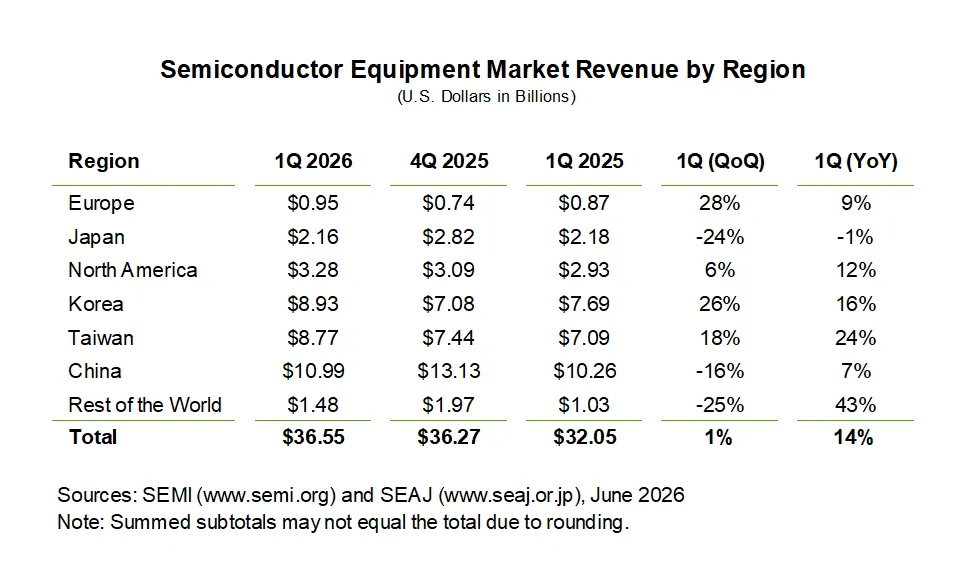
This as global semiconductor equipment billings climbed to a record US$36.55 billion in the first quarter of 2026, marking a 14% year-on-year increase, according to SEMI’s Worldwide Semiconductor Equipment Market Statistics (WWSEMS) report.
AI Drives Record Equipment Investments
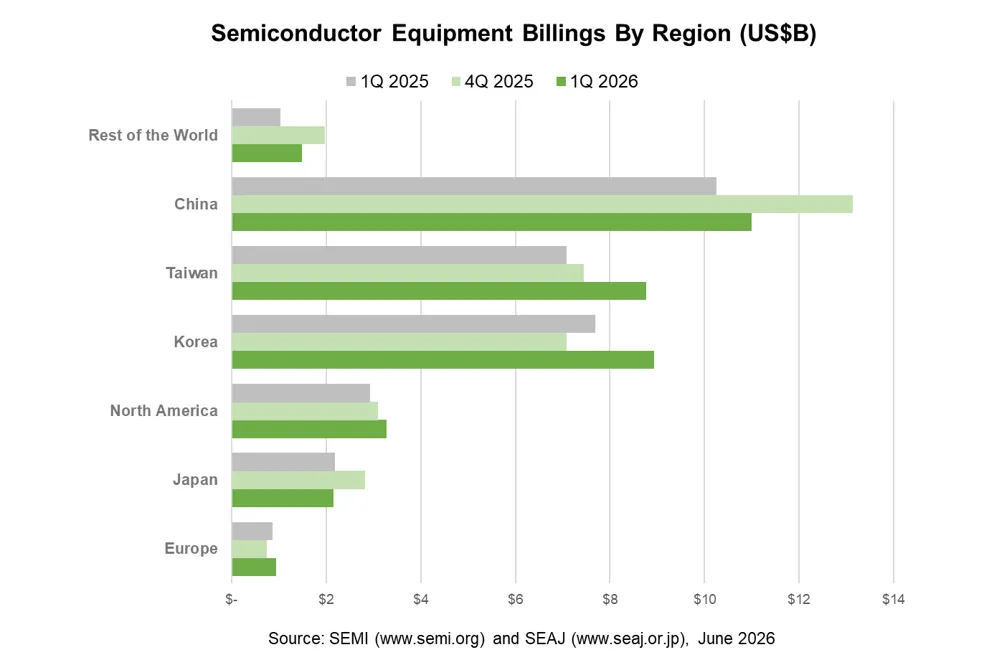
The record spending is being fueled largely by accelerating demand from AI, high-performance computing, and advanced semiconductor applications. Investments in leading-edge logic, DRAM memory, and advanced packaging technologies are reshaping manufacturing priorities globally.
Ajit Manocha, President and CEO of SEMI, said the strong start to 2026 underscores sustained industry investment in capacity and infrastructure to support AI-driven growth. He noted that record billings signal continued momentum in leading-edge manufacturing and advanced packaging.
This wave of investment is also expanding global manufacturing capacity and strengthening semiconductor supply chains, with increased spending across wafer fabrication, packaging, testing, and equipment.
“The strong start to 2026 reflects continued industry investment in the capacity and infrastructure needed to support AI-driven semiconductor growth. Record first-quarter billings highlight ongoing momentum in leading-edge manufacturing and advanced packaging.”
Supply Chain Expansion Opens Doors for India
Industry leaders believe the expansion of semiconductor infrastructure worldwide will unlock new opportunities for Indian companies across multiple segments. These include semiconductor design, manufacturing services, materials, and equipment engineering.
Ashok Chandak, President of SEMI India and IESA, emphasized that rising global investments reflect confidence in long-term demand driven by AI, automotive electronics, and digital transformation. He highlighted India’s potential to integrate more deeply into global supply chains as countries scale up manufacturing and adopt advanced technologies.
“The record global semiconductor equipment spending reflects strong confidence in long-term semiconductor demand driven by AI, high-performance computing, automotive electronics, and digital transformation. As countries expand manufacturing capacity and invest in advanced technologies, India has a unique opportunity to integrate more deeply into global semiconductor supply chains,” said Chandak.
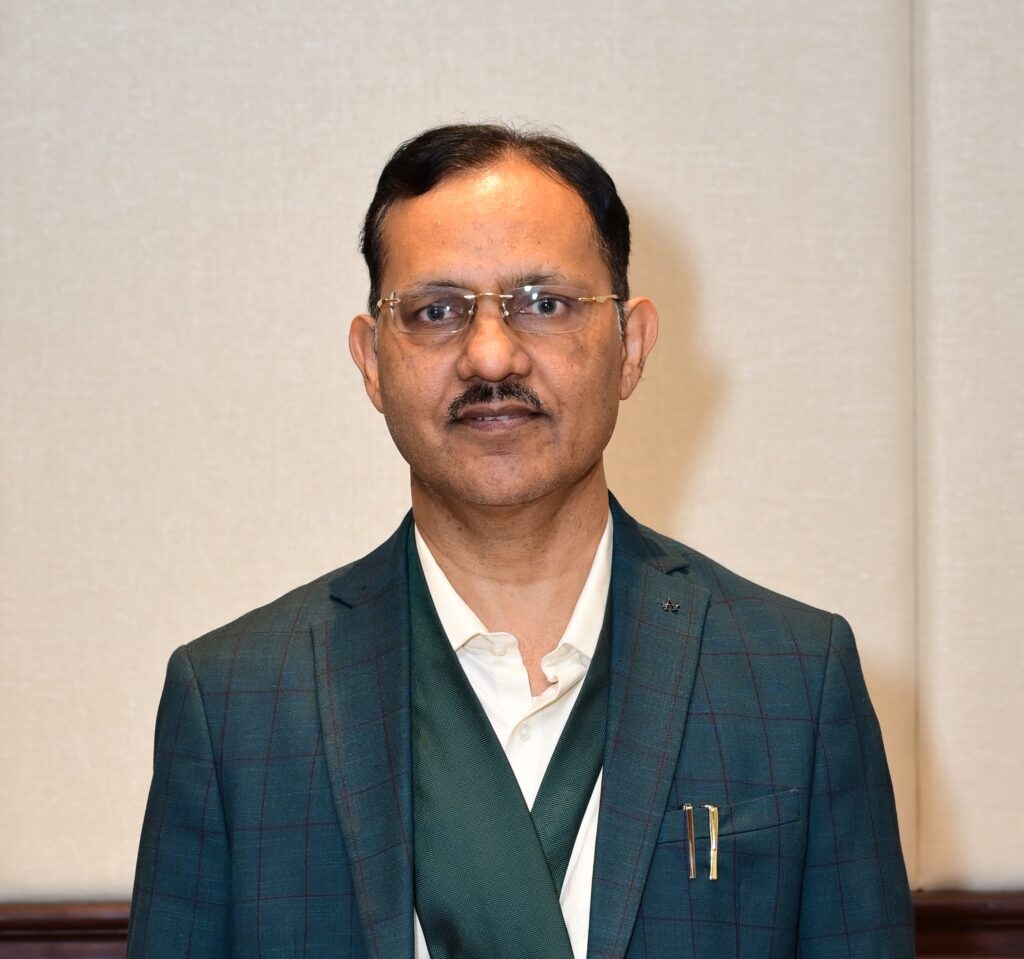
“With the foundation being created through the India Semiconductor Mission and the expected next phase of policy support, India can emerge as a significant hub for semiconductor design, advanced packaging, manufacturing, supply chain and ecosystem development.”
With policy support and ecosystem development underway, India could emerge as a key hub for semiconductor design, advanced packaging, and manufacturing. The convergence of global investment trends and domestic initiatives places the country in a strong position to benefit from the next phase of semiconductor industry growth.
India’s Opportunity in a Growing Global Market
The surge in capital expenditure reflects rising investments in semiconductor manufacturing capacity and next-generation technologies. For India, this momentum presents a strategic opportunity to deepen its role in global supply chains.
Through the India Semiconductor Mission (ISM), the country has already approved 12 semiconductor and electronics manufacturing projects spanning fabrication, assembly, testing, display manufacturing, and components. These initiatives are laying the groundwork for India to capture a larger share of the semiconductor ecosystem.
The anticipated expansion of the program under ISM 2.0 is expected to further boost capabilities across manufacturing, advanced packaging, materials, equipment, and chip design. This policy push could enable India to move beyond assembly into higher-value segments of the semiconductor value chain.
Cristian Canoza
12 June 2026
- Share: