



ASIA ELECTRONICS INDUSTRYYOUR WINDOW TO SMART MANUFACTURING
Intel Unveils Powerful AI Vision, New Silicon Push
Intel used its COMPUTEX 2026 keynote to unveil a sweeping set of AI-driven product innovations, highlighted by the debut of its new Xeon 6 Plus processor family, expanded use of its 18A process technology, and a strategic push toward hybrid and agentic AI computing across PCs, edge, and data center environments.
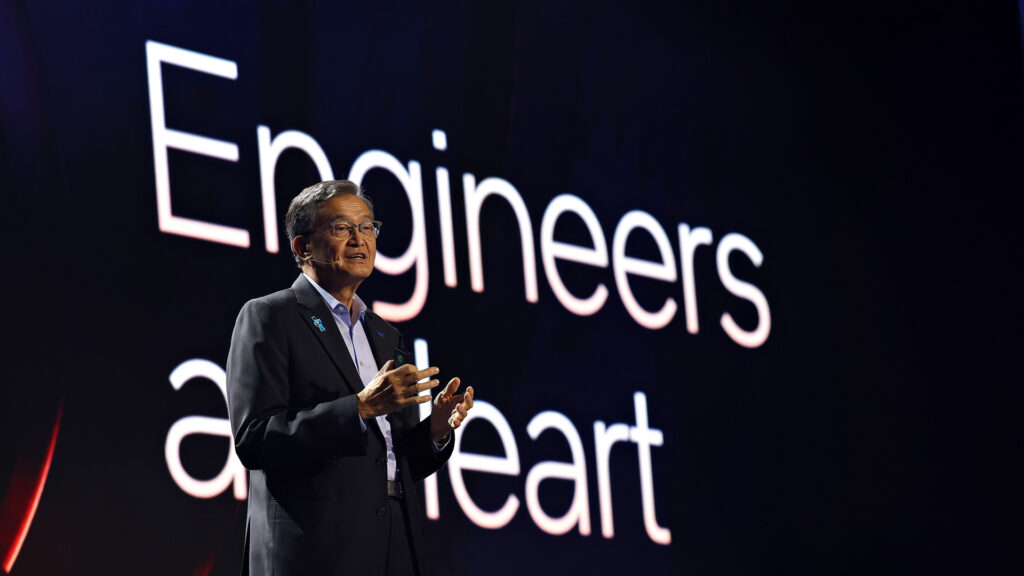
During his COMPUTEX 2026 keynote, Intel CEO Lip-Bu Tan positioned the announcements as part of a broader transformation of Intel toward an engineering-led, execution-focused company. “Execution is always at the top of my list,” he said. “At our heart, Intel is an engineering company… the opportunity ahead is enormous and our job is to stay focused.”
Xeon 6 Plus Debuts, Redefining CPU in AI Factories
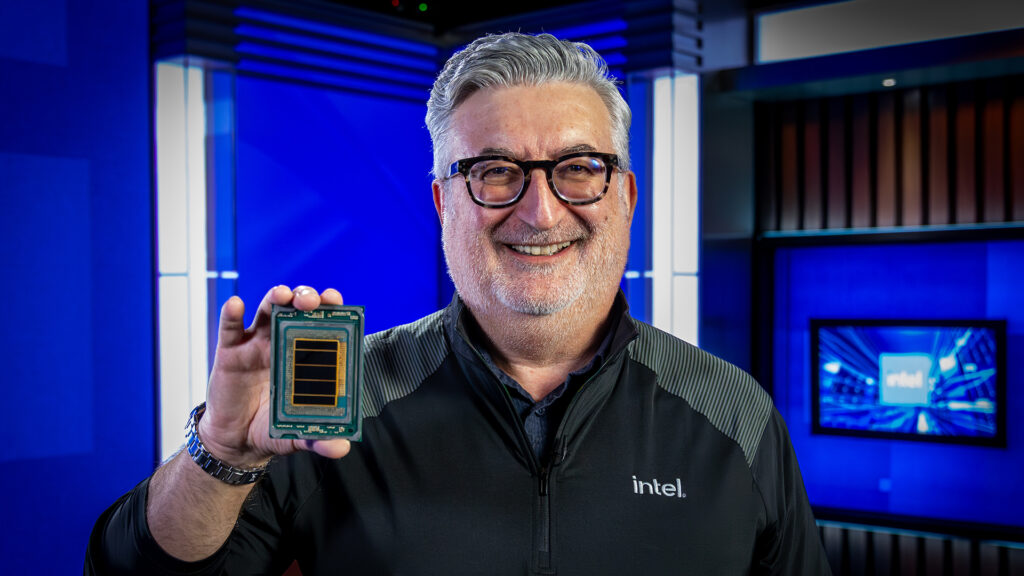
Turning the focus to infrastructure, Intel introduced the Xeon 6 Plus processor at COMPUTEX, built using Intel 18A technology. During the keynote, Tan welcomed Kevork Kechichian, Intel’s Executive Vice President of the Data Center Group. Kechichian said the Xeon 6 Plus packs with 288 e-cores, a massive 576MB L3 cache, and built on Intel 18A technology, Xeon 6+ delivers world-class compute density and efficiency. This is critical for enterprises that need to balance AI readiness with day-to-day mission critical workloads.
18A Process Reaches Scale
Taking the stage to outline Intel’s client and edge compute strategy, Alex Katouzian, Leader for Client Computing and Physical AI, Intel, announced that Intel’s highly anticipated 18A process technology has reached full-scale production. The company officially launched the Intel Core Ultra Series 3 at CES 2026, the first commercial product on the 18A node.
Katouzian said the Core Ultra Series 3 sets a new benchmark for premium mobile performance, battery life, and agentic AI capabilities via a highly responsive CPU, enhanced GPU, and low-power NPU.
Intel also expanded its 18A silicon footprint into the rapidly accelerating handheld gaming market with the introduction of the Arc G3 chip. Derived from the Core Ultra Series 3 architecture, the Arc G3 delivers high-performance gaming at half the power consumption of competitors while tracking up to 40 percent faster in game execution.
Looking beyond personal computers, Katouzian projected physical AI to expand into a US$25 trillion market by 2050. To capture this adjacent growth, Intel is shifting its latest Series 3 products into the edge business, with over 130 designs across manufacturing, robotics, and retail verticals alongside 4,000 ecosystem partners.
Rack-Scale AI Infrastructure
Intel also introduced its “Rack Scale Blueprints” initiative, aimed at delivering pre-integrated, modular AI infrastructure solutions.
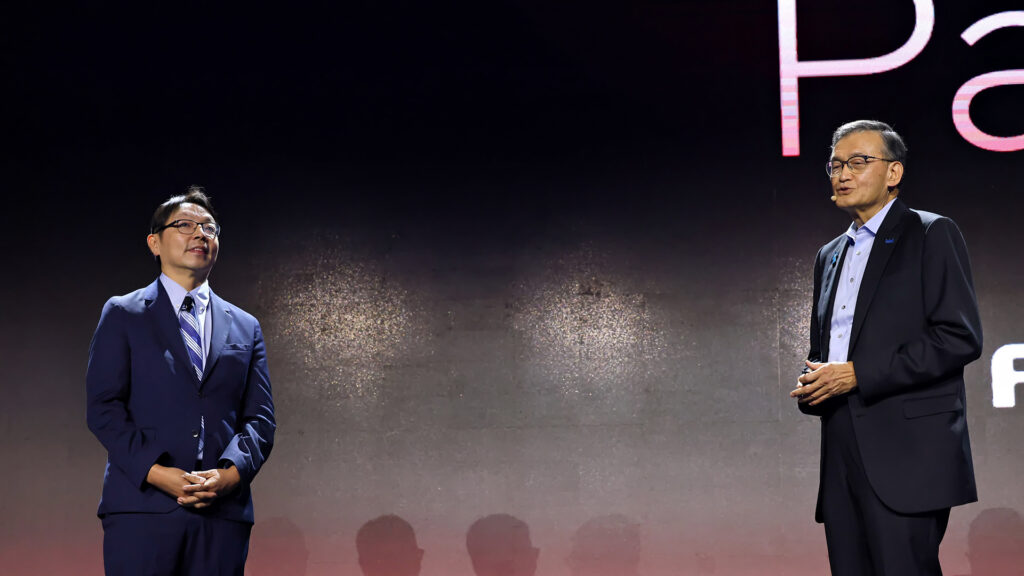
“These workloads push us to rethink how we deliver our compute beyond the socket and to the rack,” Tan said.
The company announced expanded partnerships with Jerry Hsiao of Foxconn, as well as collaboration with SambaNova Systems to deliver rack-scale systems optimized for agentic AI. These systems combine CPUs, GPUs, and specialized accelerators in disaggregated architectures.
Demonstrations showed that such configurations can reduce inference latency and deliver two to three times faster performance compared with GPU-only systems.
In addition, Hsiao shared how Foxconn, the world’s largest electronics manufacturer, is working with Intel and its partners to provide systems integration capabilities for rackscale AI infrastructure built for inference and agentic AI workloads.
Purpose-Built Silicon
Tan also welcomed on stage Intel Senior Vice President Srini Iyengar to talk more about the work we are doing around purpose-built silicon, targeting hyperscalers and telecom operators with customized chips.
Key milestones for this include partnership with Google to deliver custom Infrastructure Processing Units (IPUs), and another global telecom collaboration with Ericsson to supply next-generation infrastructure silicon
Looking Ahead
Intel’s COMPUTEX 2026 announcements reflect a company seeking to reposition itself at the center of the AI computing stack, from devices to data centers.
By combining advanced manufacturing, hybrid AI architectures, and an expanded partner ecosystem, Intel is betting that its renewed engineering focus and execution discipline will help it capture growing demand for AI infrastructure.
“This is just the beginning,” Tan said. “I’m super excited to continue executing at high speed.”
03 June 2026
- Share: