

ASIA ELECTRONICS INDUSTRYYOUR WINDOW TO SMART MANUFACTURING
New Thai Plant to Soar Lelon’s Capacity Grit
Taiwanese aluminum electrolytic capacitor manufacturer Lelon Electronics has been growing steadily in recent years. Although automotive has always been its main market, the bustling demand of artificial intelligence (AI) applications, particularly AI servers, has been a major thrust for the company.
AEI sat down with Jimmy Wu, Chief Executive Officer at Lelon Electronics, said, automotive electronics remains the main driver for the company, but growing demand from AI server has been providing strong growth momentum for the company, prompting them to boost its production capacity and expand active investments.
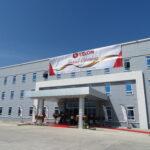
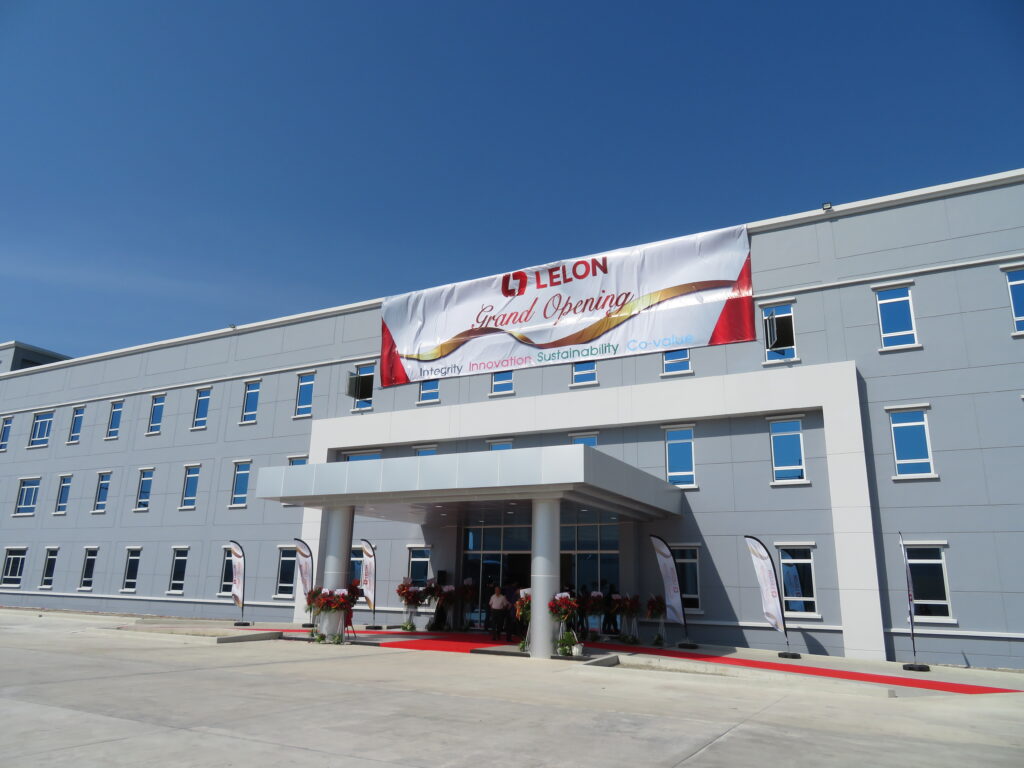
Recently, the company has officially opened a new 31,700sq.m production line in Chonburi Industrial Estate in Thailand’s Amata City. The US$8 million facility will help the company respond to the rising demand from the automotive and AI server markets.
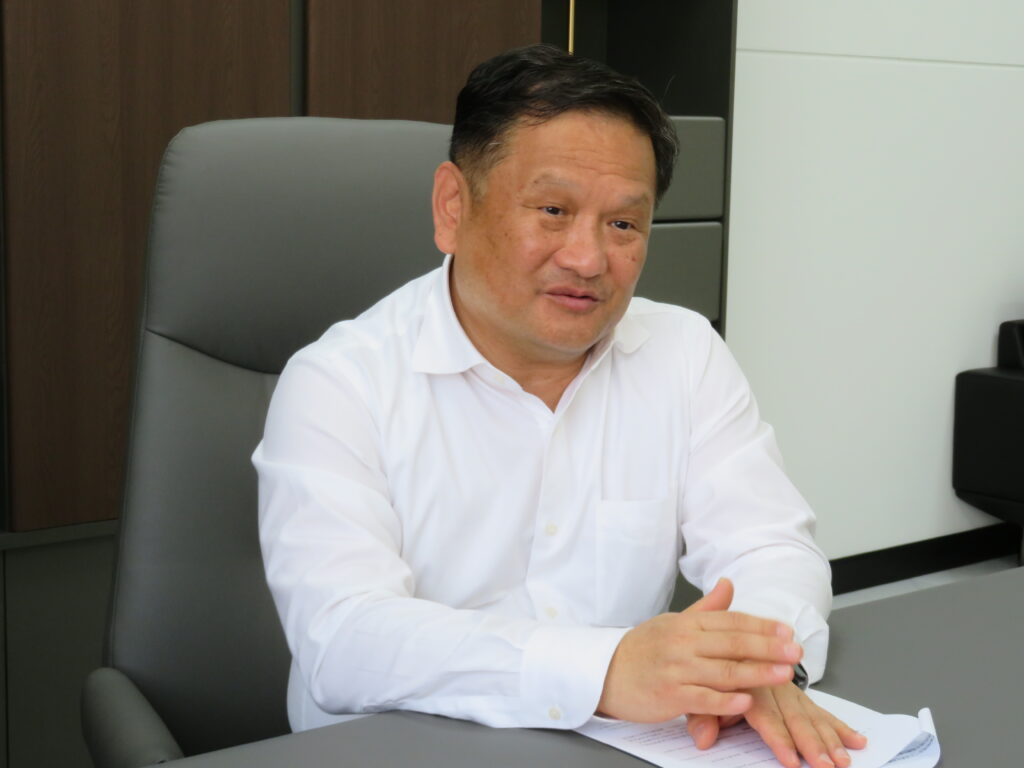
AEI:What is the current market situation?
Wu: The first quarter of this year (January-March 26) was strong, and the sales of the same period last year are moving forward. This is because of the global expansion of AI, demand for AI servers is increasing. The company is mainly developing high-end products such as high-power and high-heat resistant products.
AEI: Can you give an overview of the new factory you have just opened in Thailand?
Wu: The new factory is located in Amata City, Chonburi Province. It will be a two-story building with a site area of 31,700 square meters, a building area of 23,800 square meters, and a total investment of 260 million baht (about 8 million dollars). Chonburi has a strong concentration of automobile industries, and many automakers and Tier 1 companies have entered the market. It is also close to Laem Chabang Port and Airport, which are key logistics hubs, enabling stable supply to Thailand and Southeast Asia.
AEI: What is the role of the new factory?
Wu: The opening of the new factory is not just an increase in production capacity. This is the first step in building a global system that reduces risks, maintains a stable supply of products, and provides proximity to customer factories. It will not replace existing factories, but will add flexibility and resilience to our supply chain.
AEI: What is the production capacity of the new plant?
Wu: We have started to bring equipment and we expect to complete the production line in the second quarter (April-June). The company plans to produce 180 million units annually by the end of 2026, mainly for automotive applications and AI servers, where demand continues to grow. Starting with the production of aluminum electrolytic capacitors, the company will also introduce a line of hybrid capacitors and conductive polymer products according to market demand.
The company plans to increase its production capacity every year, increasing its annual production to 330 million units in 2027 and 720 million units in 2028. After the plant is put into operation, the first goal is to stabilize the mass production system and obtain ISO and IATF certifications. Aim to meet the requirements of the automotive industry as soon as possible.
AEI: What will be the strengths of your production base in Thailand compared with your other sites in the region?
Wu: Thailand is a major automobile production base in Southeast Asia. For us, we can produce close to our customers, which allows us to supply products quickly. Compared to other regions, Thailand has a stable energy supply and procurement environment. While China remains an important production base for the company, the Thailand plant will strengthen support for Southeast Asia and automotive-related customers, making the company’s overall supply structure more flexible and resilient.
AEI: What do you think of the future trends of the automobile industry?
Wu: The automobile industry is steadily moving towards advanced digitalization and electrification, including autonomous driving. On the other hand, against the backdrop of tariffs and geopolitical risks, automakers want to reduce supply chain risks and require suppliers to have multiple locations. This will lead to investments in locations closer to the market and increased supply capacity by region, accelerating the transition to a multi-regional supply chain. We will respond to customer demands and work with our partners to build a healthy and mutually beneficial ecosystem.
AEI: Can you share your business outlook as well as strategy in the future?
Wu: The company continues to focus on aluminum electrolytic capacitors for high-end fields such as automotive, AI, and industrial applications. In the future, we will provide more comprehensive solutions, such as hybrid capacitors and conductive polymer products. In addition to incorporating traditional ESG into its core business strategy, we are also introducing a new concept of “ESG,” which stands for Energy, Security, and Geopolitics. The new plant in Thailand is an important part of this plan, which will strengthen manufacturing capacity in the region, improve supply resilience to global customers, and support the long-term development of customers.
16 March 2026
- Share: