ASIA ELECTRONICS INDUSTRYYOUR WINDOW TO SMART MANUFACTURING
PSECE 2026 Signals ASEAN's Semiconductor Shift
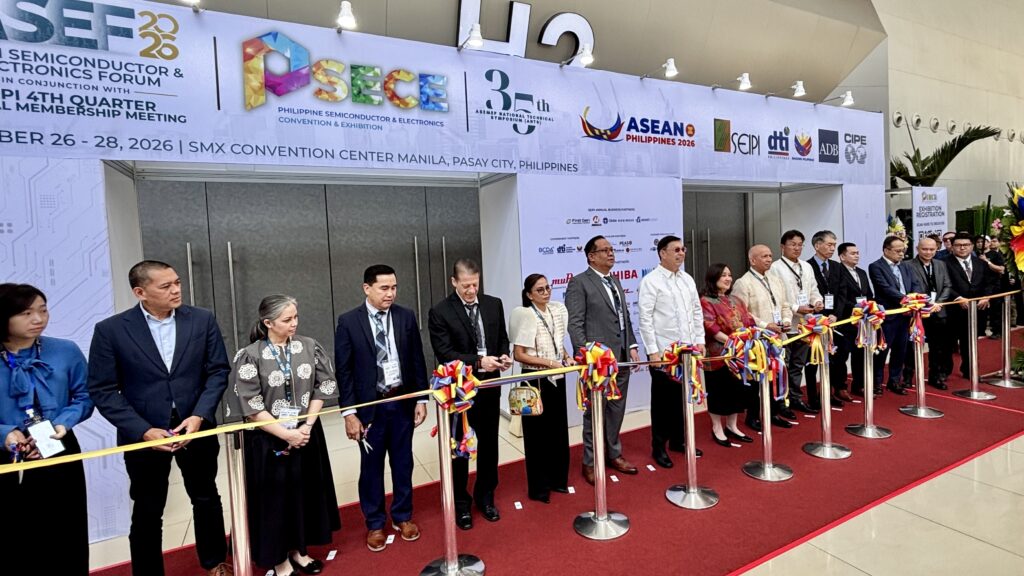
The recently concluded ASEAN Semiconductor and Electronics Forum (ASEF) 2026 and the 21st Philippine Semiconductor and Electronics Convention and Exhibition (PSECE) 2026 delivered a message that extended well beyond the exhibition floor: ASEAN’s semiconductor industry is seeking to transform itself from a network of national manufacturing bases into a more integrated regional ecosystem capable of supporting the next wave of growth driven by artificial intelligence, advanced computing, automation, and digitalization.
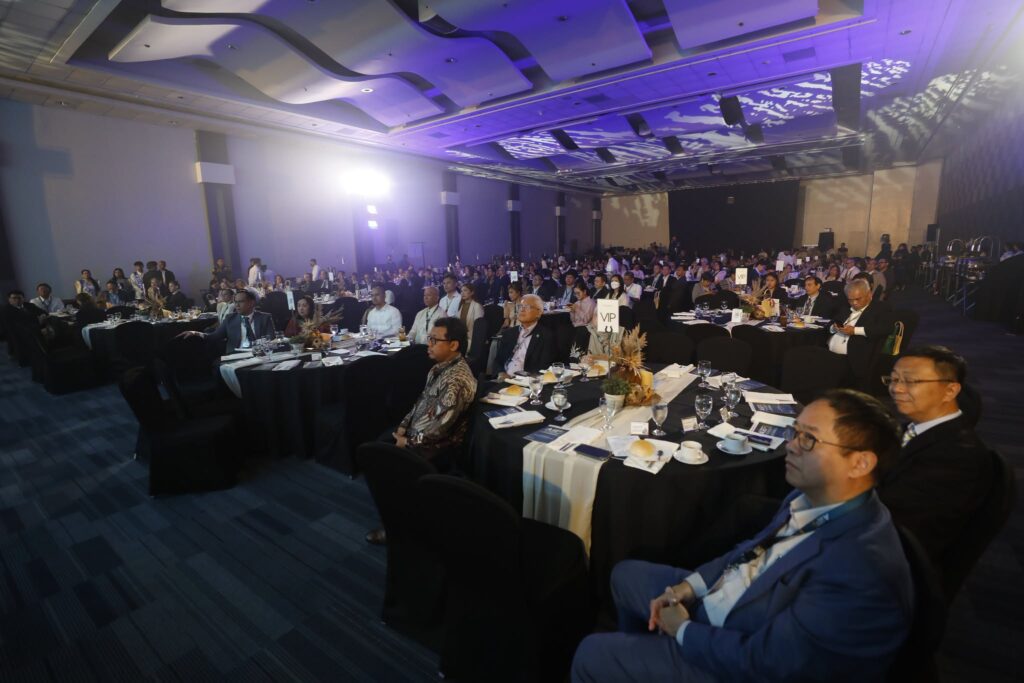
Held from Oct. 26 to 28 at the SMX Convention Center Manila, PSECE 2026 gathered government leaders, technology suppliers, electronics manufacturers, investors, policymakers, and industry organizations at a time when semiconductor supply chains are being reshaped by geopolitical uncertainty, sustainability requirements, and accelerating demand for advanced technologies.
Rather than focusing solely on products or technologies, discussions throughout ASEF and PSECE centered on how ASEAN can leverage its collective strengths to capture greater value from a rapidly evolving global semiconductor landscape.
ASEAN’s Competitive Advantage Lies in Integration
In his keynote address, Philippine President Ferdinand Marcos Jr.’s Ralph Recto, Executive Secretary and chairman of the Semiconductor and Electronics Industry Advisory Council (SEIAC), described semiconductors as an increasingly strategic economic asset.
“Chips are the new infrastructure,” Recto said, speaking for President Ferdinand Marcos Jr.. “They sit inside our phones, our hospitals, our cars, and our data centers. They will determine how far and how fast economies can grow.”

Recto argued that ASEAN’s competitiveness stems from the complementary strengths of its member economies, ranging from advanced manufacturing and finance to assembly, testing, packaging, design capabilities, materials, energy resources, and skilled labor. Linking those capabilities, he said, would allow investors to access a broader regional ecosystem rather than a single national market.
“Let us all make sure that our measure of success is not simply about how many chips ASEAN produces. But how much opportunity those chips create for our citizens, the people of ASEAN,” he said.That vision was echoed by Danilo Lachica, president of the Semiconductor and Electronics Industries in the Philippines Foundation Inc. (SEIPI).
“Our strength lies in connecting our capabilities, complementing one another’s expertise and building a regional ecosystem that is greater than the sum of its parts,” Lachica said.
Industry leaders repeatedly stressed that future competitiveness will depend on stronger regional supply chains, improved logistics, talent development, infrastructure investments, and closer cross-border collaboration.
Export Growth Underscores Industry Momentum
The urgency behind those discussions is reflected in the sector’s recent performance.
Philippine electronics exports reached US$39.8 billion during the first eight months of 2026, accounting for 62.14% of total Philippine exports, according to industry figures presented during the event. Electronics imports likewise climbed to approximately US$33.0 billion, representing 31.22% of total imports.
The figures marked a substantial increase from the same period in 2025, when electronics exports totaled US$31.97 billion and imports reached US$20.19 billion.
Industry leaders attributed much of the momentum to continued demand for semiconductor-related products, particularly integrated circuits, processors, controllers, and other components essential to emerging digital infrastructure.
In an interview, Lachica pointed to artificial intelligence as an increasingly important growth driver.
“The growing demand for AI is becoming an important driver of electronics exports, particularly as investments in data centers increase the need for semiconductors, power-management devices, and supporting electronic components,” he said.
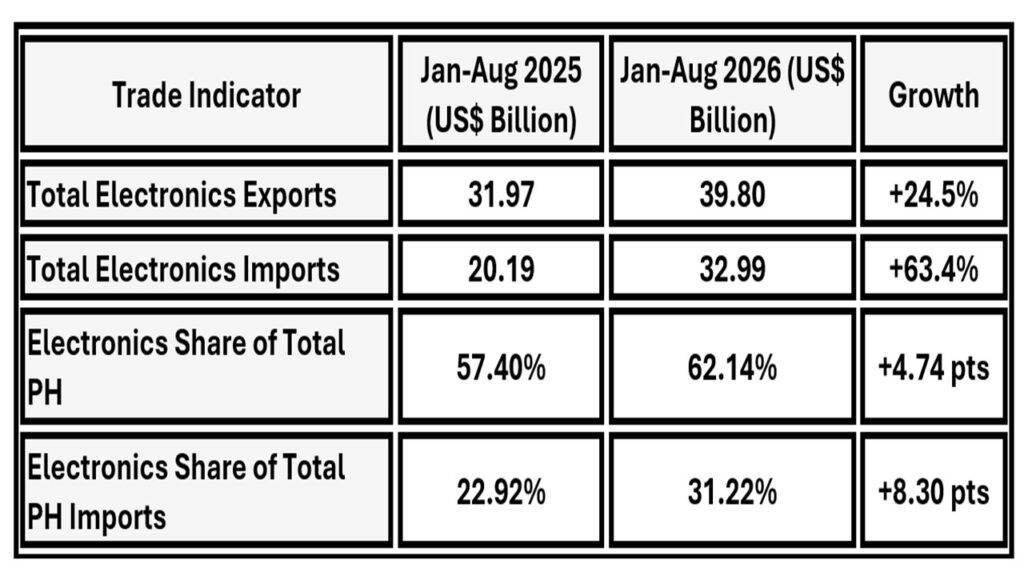
Meanwhile, the increase in imports reflects continued investment in manufacturing inputs such as wafers, specialty gases, materials, and production requirements needed to support semiconductor manufacturing activity.
Moving Beyond Dialogue to Business Outcomes
For SEIPI, PSECE 2026 was designed to be more than an industry gathering.
In a pre-event interview, Lachica said organizers sought to use the convention and the co-located ASEAN forum as vehicles for creating tangible business opportunities.
“This year’s PSECE is an opportunity to demonstrate that the Philippines is not just a participant in the global semiconductor and electronics supply chain, but a partner capable of contributing to its next phase of growth,” Lachica said. “With the ASEAN Semiconductor & Electronics Forum held alongside the convention, we aim to strengthen regional cooperation, connect businesses with new technology providers and customers, and open opportunities for investment and industry partnerships.”
Lachica added that organizers wanted the event to generate meaningful business connections and encourage new investments while reinforcing confidence in the Philippines as a reliable electronics manufacturing hub.
That objective was reflected in discussions covering workforce development, industry-academe collaboration, investment opportunities associated with the Luzon Economic Corridor, semiconductor infrastructure, renewable energy adoption, ESG initiatives, supply-chain decarbonization, and circular manufacturing practices.
The Bigger Strategic Message
Perhaps the most important outcome of ASEF and PSECE 2026 was the growing consensus that no single ASEAN country can independently provide every capability required by the modern semiconductor industry.
As artificial intelligence, advanced computing, electric vehicles, and automation continue to increase demand for semiconductors, ASEAN leaders are positioning the region as a more coordinated partner for global technology companies seeking resilient, sustainable, and diversified supply chains.
The planned joint communiqué among industry organizations from several ASEAN member states reinforced that ambition and reflected a broader effort to translate dialogue into practical cooperation.
For semiconductor executives, OSAT providers, EMS companies, equipment suppliers, and investors, the central takeaway from Manila was clear: ASEAN’s next phase of growth will be defined not only by how many chips the region produces, but by how effectively it aligns talent, infrastructure, investment, sustainability, and innovation into a connected semiconductor ecosystem positioned for the AI era.
— Cristian Canoza
02 November 2026
- Share: